I design interfaces where mistakes are expensive
What I actually do
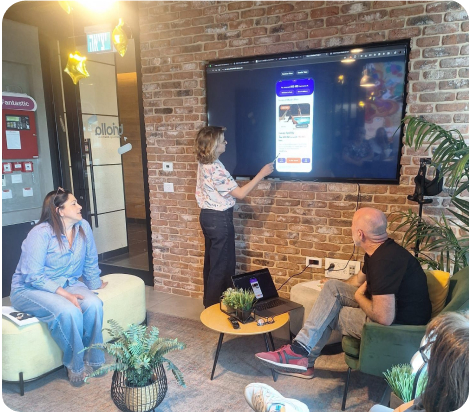
I design products for fields where a mistake has a real cost: clinical systems, medical software, tools people depend on under pressure. My job isn't to make a screen look finished, it's to know what it really affects, what it costs to build, and what it does to the person using it.
Getting that wrong costs time, money, and frustrated users.
Getting it right is my whole job.
How I think about design
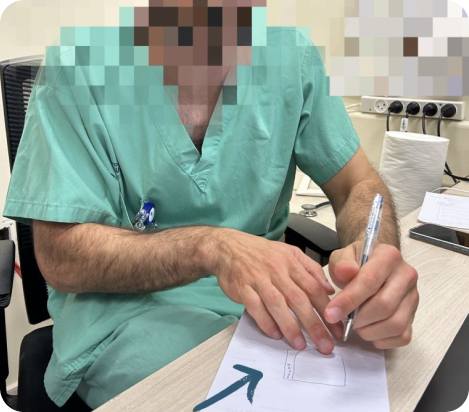
Good design starts long before the first screen, with what the real problem is and who actually pays when it's wrong. I'd rather ship the right thing slightly later than a polished version of the wrong one.
Where I'm different
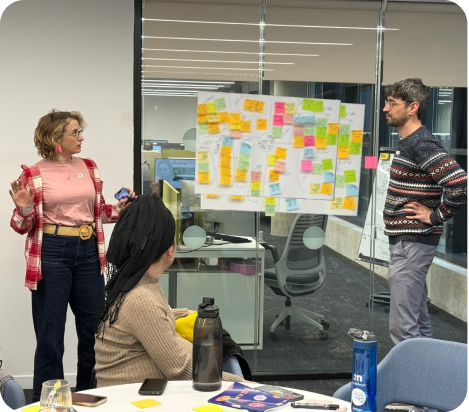
Most senior designers can solve the problem you hand them; fewer can tell you it's the wrong problem before you've spent three months on it. I speak the language of the people paying for the work: cost, timeline, the business decision underneath the pixels.
What it's like to work with me

I'm not a vendor who takes a brief and disappears. I come in as part of the team in the room for the messy parts, available the way an in-house designer would be. That closeness is where the real work happens: I challenge assumptions when it matters, and care as much about the people building the product as the ones using it.